What Makes a Good Vocational Training Mentor?
 Polywerk3D
Vocational training placements are often the moment when "school knowledge" either becomes real competence — or stays theoretical. The difference is usually made by the mentor. A good placement mentor is not simply a supervisor handing out tasks; they are a bridge between learning outcomes and real production, between confidence and capability.
Sets Clear Expectations from Day One
A strong mentor begins with structure: what the trainee will learn, what a "good" result looks like, how work is documented, and which safety and quality standards are non-negotiable. This includes practical details — working hours, communication channels, who signs off on work, and how feedback is given. Clarity reduces anxiety and helps trainees focus on learning rather than guessing.
Turns Work Into Learning
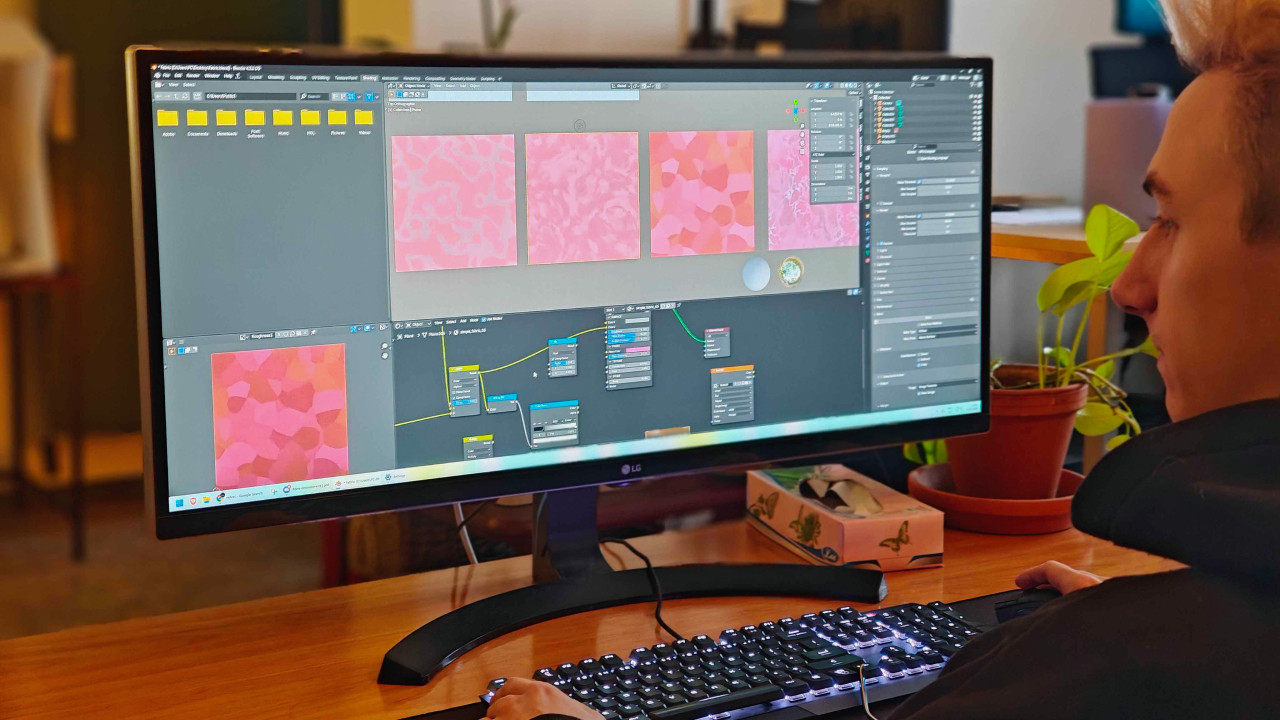
Trainees should contribute to real projects, but learning must be designed into the workflow. A good mentor explains the "why" behind decisions: why tolerance matters, why 3D printing orientation affects strength, why client briefs must be interpreted carefully. They connect everyday tasks to broader skills — problem-solving, planning, documentation, and quality control — so the trainee understands professional logic, not just steps.

Balances Autonomy and Support
Great mentorship is calibrated. Early on, the mentor demonstrates and guides closely. As skills grow, the mentor steps back — without disappearing. The trainee gets space to try, make small mistakes safely, and build confidence, knowing that help is available. This balance prevents both micromanagement and abandonment.
Gives Timely and Specific Feedback
"Good job" is nice, but it doesn't teach. A good mentor gives feedback that is specific and actionable: what worked, what didn't, and what to do differently next time. Short daily check-ins and a weekly review work well. The mentor also models professional standards: how to handle client communication, how to estimate time realistically, and how to recover when something fails.
Creates a Respectful and Human Environment
Trainees learn best when they feel safe asking questions. A strong mentor treats questions as part of the work, not interruptions. They also include the trainee in team culture — introducing them properly, sharing context, and showing how collaboration works in practice.

Ultimately, a good vocational training mentor helps the trainee leave with more than just completed tasks: they leave with transferable skills, professional habits, and the confidence to take the next step in their career.