Light & Dark: 3D Lighting and Shadows
 Polywerk3D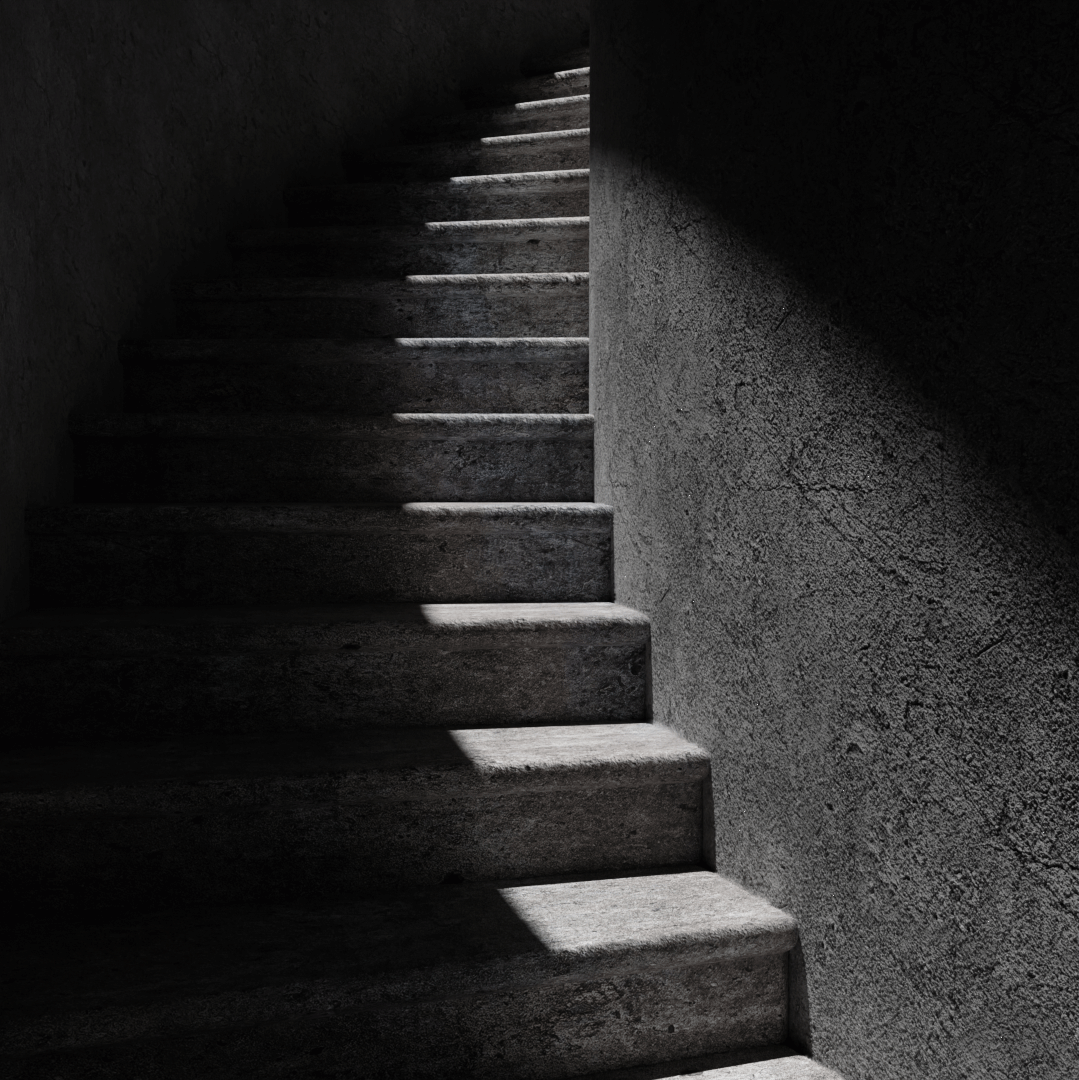
In the intricate ballet of 3D design, one element often stands as an unsung hero, painting the difference between mediocrity and grandeur: 3D lighting and shadows. Every 3D artist, whether hobbyist or professional, recognizes the transformative power of light and shadow in their work.
Using tools like Blender, a premier 3D software, artists create luminous visuals that can elevate a project from good to spellbinding. But why are 3D lighting and shadows so critical in 3D design? Let's delve into the world of chiaroscuro.
Why Lighting Determines Everything
3D design is, at its core, a replication of reality — or a reimagination of it. And in our tangible world, nothing is more fundamental than the interplay of light and darkness. A mediocre 3D designer might model a scene near-perfectly, with carefully crafted objects and textures. Yet without the right lighting, the scene can fall flat, seeming artificial or lifeless.
Enter the maestros — great 3D designers who understand that lighting isn't just a final touch but a foundational element. These artists don't merely place light sources; they sculpt with light, handling it like a potter handles clay. With calculated precision, they manipulate shadows, gradients, and highlights, breathing life into their digital canvases.
The Alchemy of Light in Blender
Blender, with its sophisticated toolkit, offers artists a true sandbox for lighting experimentation. The software boasts features that allow for realistic ray tracing, global illumination, and even caustics — intricate light patterns like those you see at the bottom of a swimming pool on a sunny day.
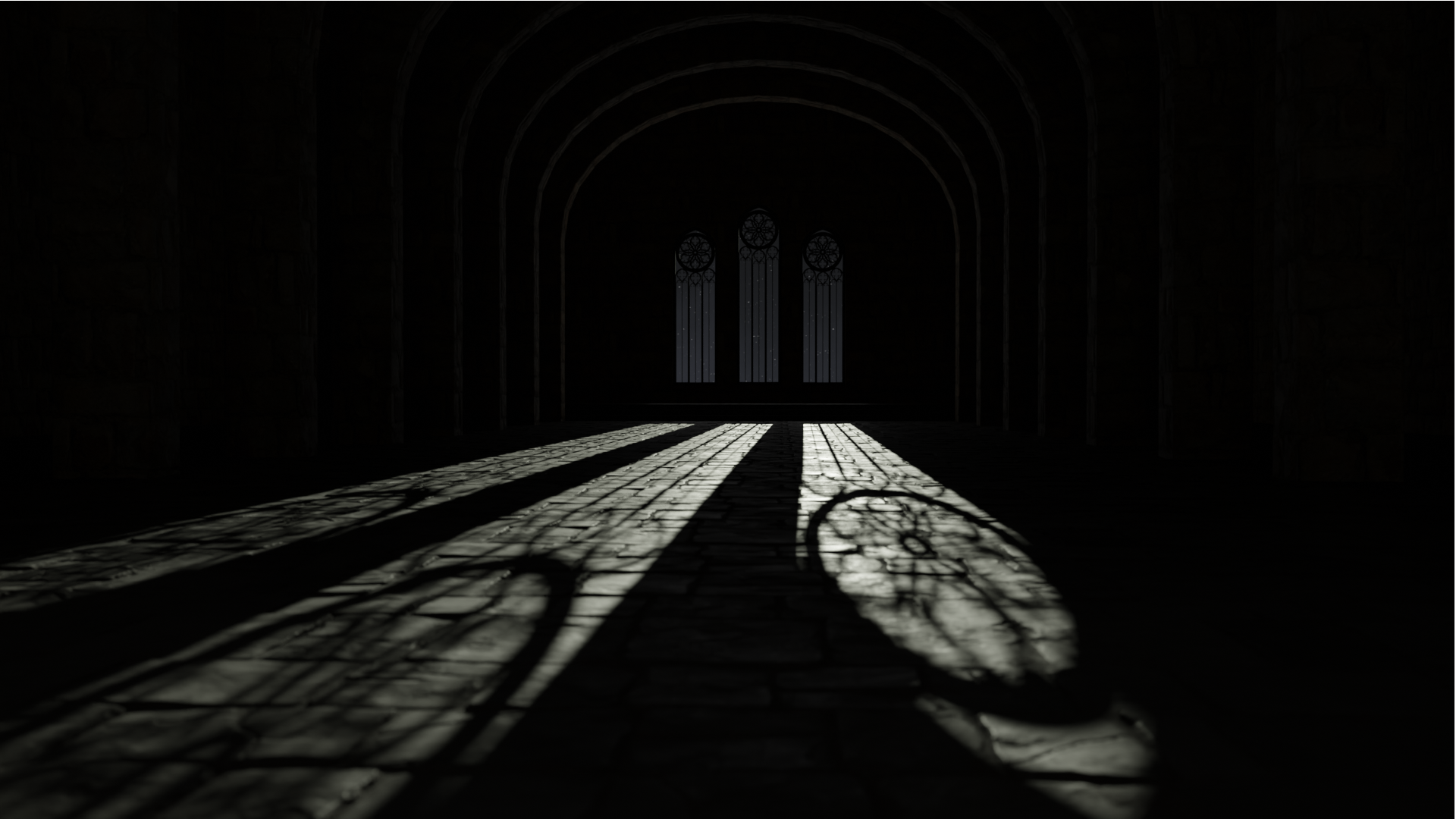
But beyond the technical aspects, Blender enables artists to tell stories with light. Think of a dimly lit room where only a narrow sunbeam seeps through a cracked window, casting long, somber shadows — an atmosphere of melancholy or mystery. Contrast this with a vibrant landscape bathed in golden hour hues, evoking warmth, nostalgia, perhaps even joy.
In Blender, artists can use various light types — point, area, and environment lights — and combine them with HDR maps to create photorealistic results. This gives creators unlimited freedom to experiment and find the ideal lighting for every scene.
Breathing Life Into Projects
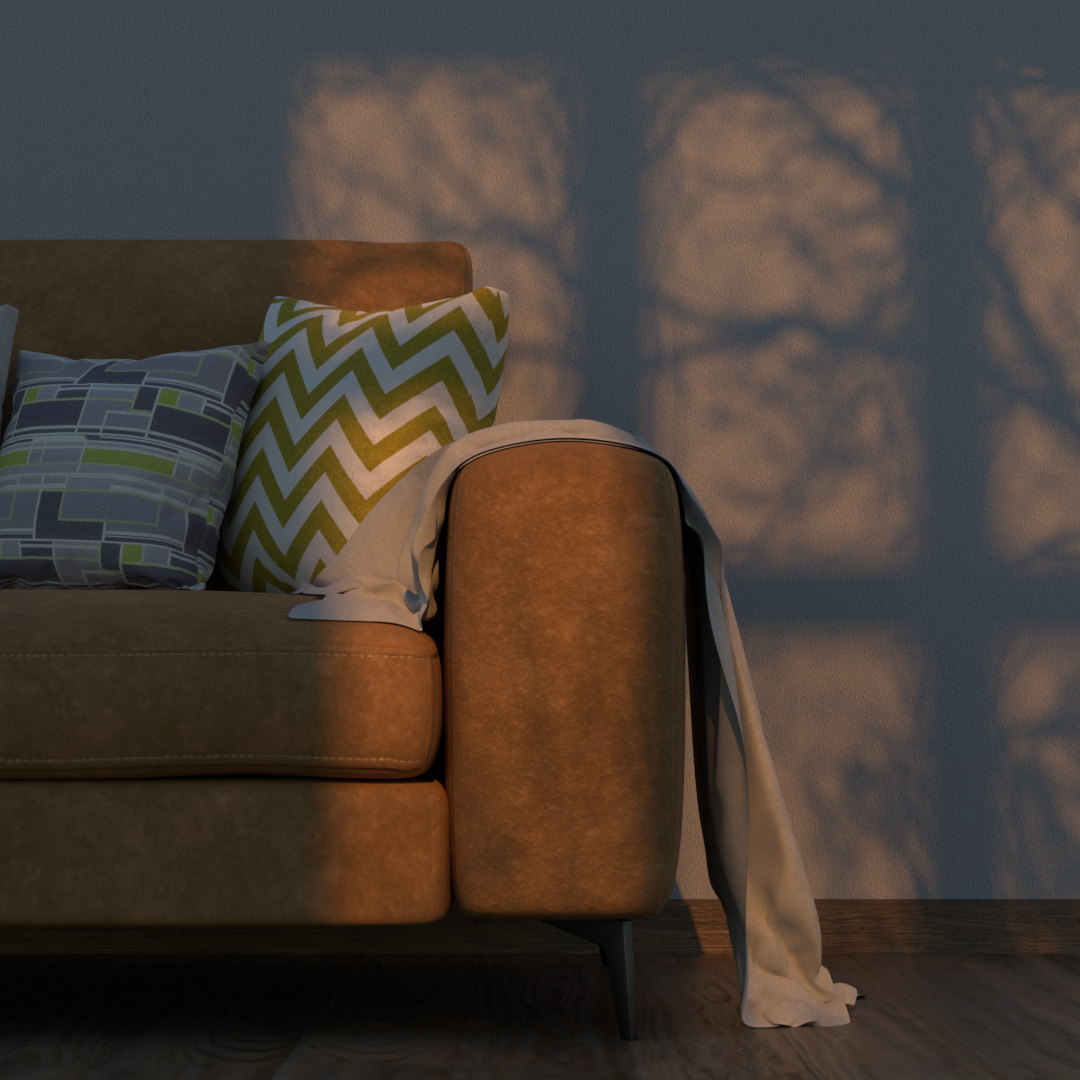
In the realms of photography and cinematography, it's often said that light is everything, and the same holds true in 3D design. 3D lighting and shadows determine how the viewer perceives shape, texture, depth, and mood. It can highlight critical elements, guide the viewer's gaze, or even conceal imperfections.
A well-lit 3D scene can convey the coolness of metal, the roughness of bark, or the delicate translucency of fabric. It can evoke emotions, from the unease of a dark alley to the serenity of a moonlit beach. In essence, while modeling gives a project its body, lighting gives it its soul.
The Importance of Shadows
But lighting isn't just about bright spots. Shadows, often overlooked, are equally critical. They provide depth, creating the illusion of three dimensions in what is essentially a two-dimensional display. Shadows define spatial relationships between objects, making the scene feel grounded and believable.
In Blender, artists can customize the softness, length, color, and transparency of shadows, creating nuances that add layers of realism or stylization as desired.
Conclusion
The world of 3D design is vast, with countless elements demanding an artist's attention. Yet lighting stands as a quiet but profound testament to the adage that it's often the subtle touches that leave the most significant impact. As tools like Blender continue to evolve, offering ever more refined control over lighting and shadows, one thing remains clear: to rise from a good 3D designer to a great one, you must master the dance of light and darkness.