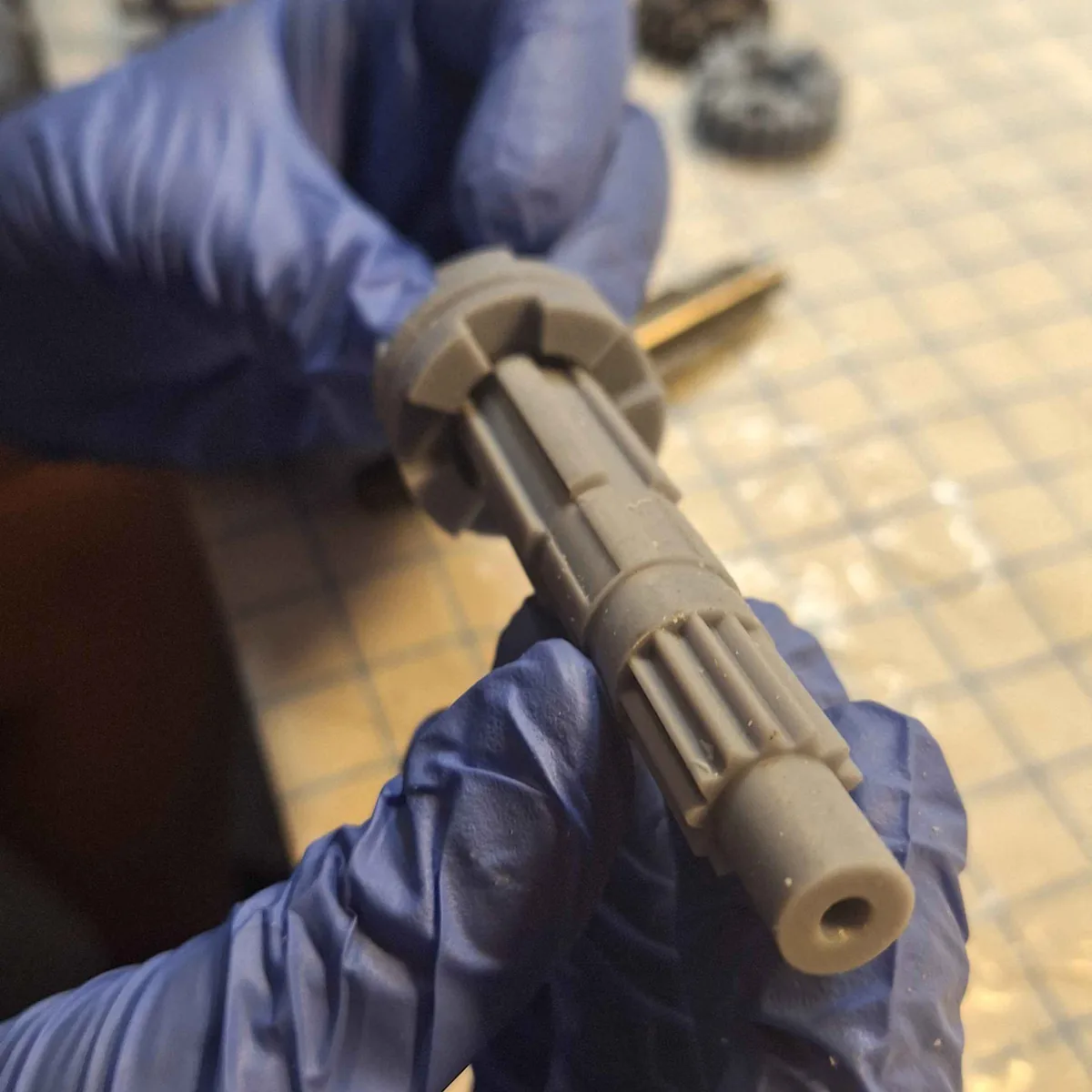
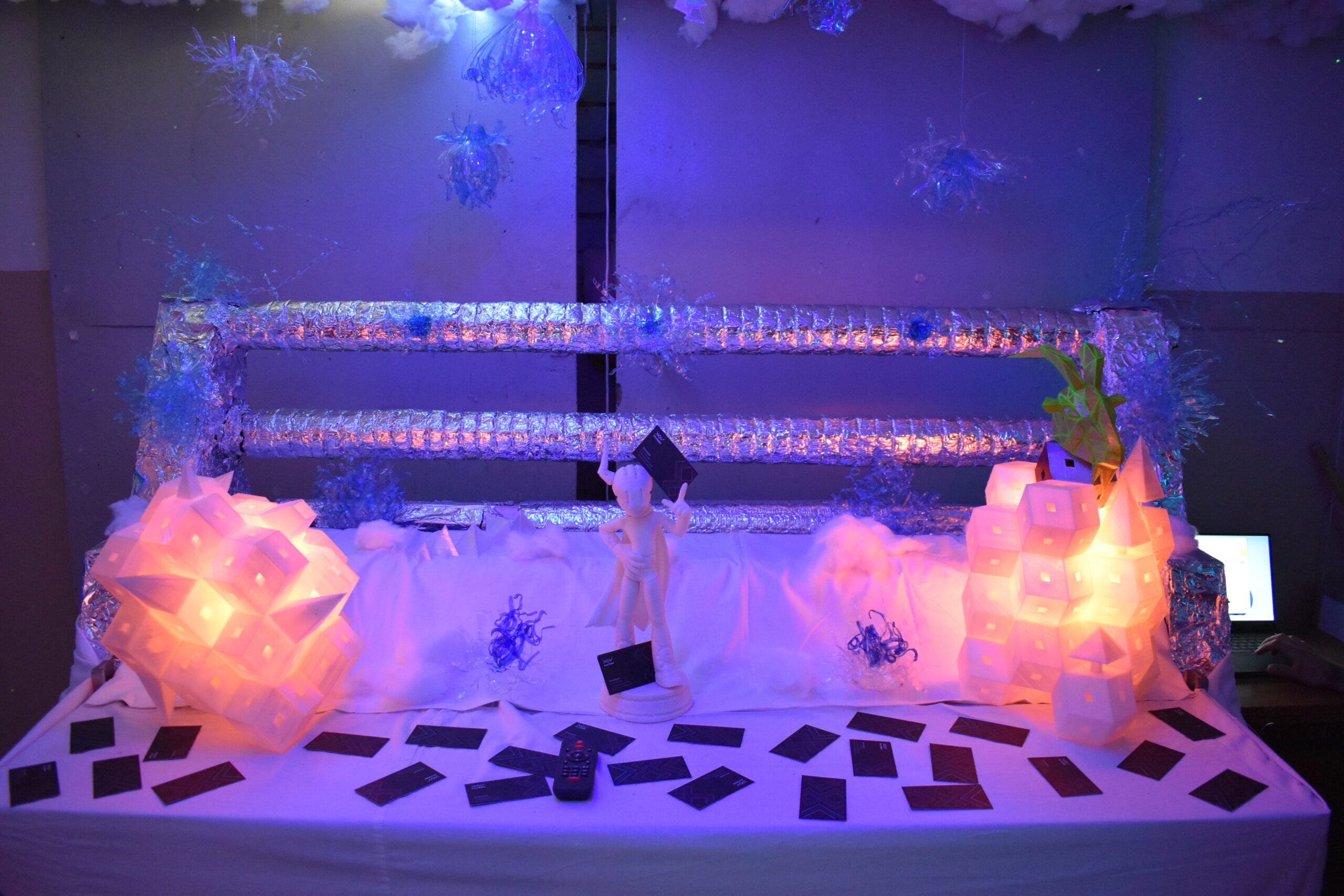
PLA vs PETG vs ABS — Which 3D Printing Material Should You Choose?
 Polywerk3D
Why Material Choice Matters
The material you choose matters just as much as the design itself. A wrong material ruins even a perfect 3D model — it warps in heat, cracks under load, or degrades in sunlight.
Quick Comparison Table
| Material | Strength | Heat | Outdoor | Price | Best For |
|---|---|---|---|---|---|
| PLA | ★★★☆☆ | ~60°C | No | from €12 | Prototypes, models |
| PETG | ★★★★☆ | ~80°C | Yes | from €14 | Functional parts |
| ABS | ★★★★☆ | ~100°C | Limited | from €14 | Heat-resistant |
| TPU | ★★★☆☆ | ~80°C | Yes | from €18 | Flexible parts |
| ASA | ★★★★☆ | ~100°C | Excellent | from €16 | Outdoor |
| PA-CF | ★★★★★ | ~150°C | Yes | from €25 | Structural |
| SLA Resin | ★★★☆☆ | ~60-80°C | No | from €31 | Miniatures, jewelry |
PLA — The Starting Point
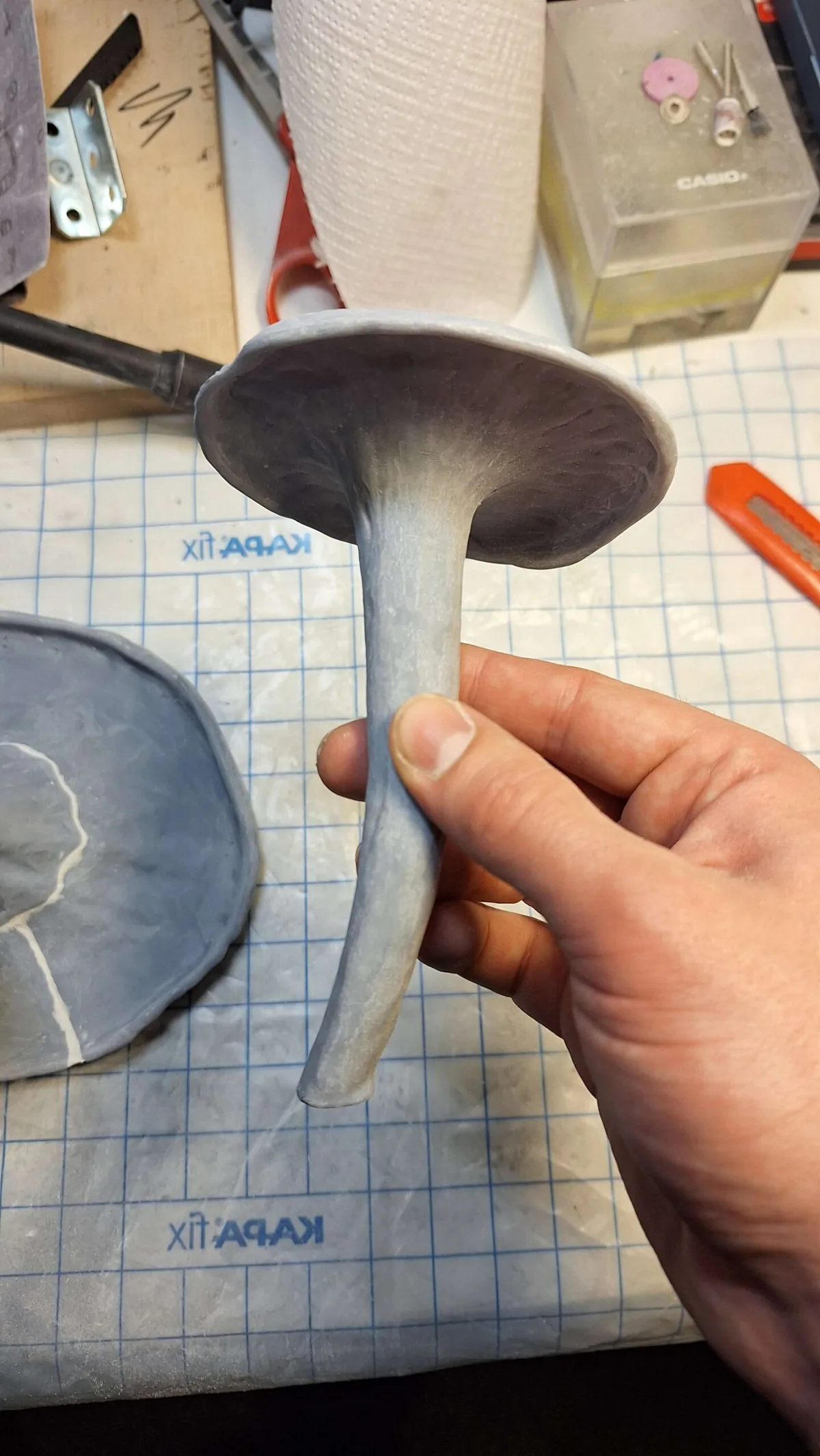
PLA is the most popular material. Affordable, easy to print, excellent surface quality. But it softens at just 60°C — never use it outdoors or near heat sources. Brittle under impact.
Best for: visual prototypes, architectural models, decorative items, cosplay props.
PETG — Our Top Recommendation
PETG is what we recommend for most projects. Stronger than PLA, handles 80°C, good impact and chemical resistance. Food-safe base material. The same plastic family as water bottles.
Best for: functional enclosures, brackets, garden accessories, containers. When in doubt, choose PETG.
ABS — Heat-Resistant Classic
ABS — the LEGO plastic. Handles 100°C. Can be acetone vapor smoothed for a glossy finish. Requires enclosed printer. Not for outdoor use (UV degradation).
TPU — Flexible Rubber
TPU bends, stretches, and bounces back. Shore hardness 85A-95A. Phone cases, gaskets, vibration dampeners, shoe insoles. Prints slowly but results are unique.
ASA — UV Champion for Outdoors
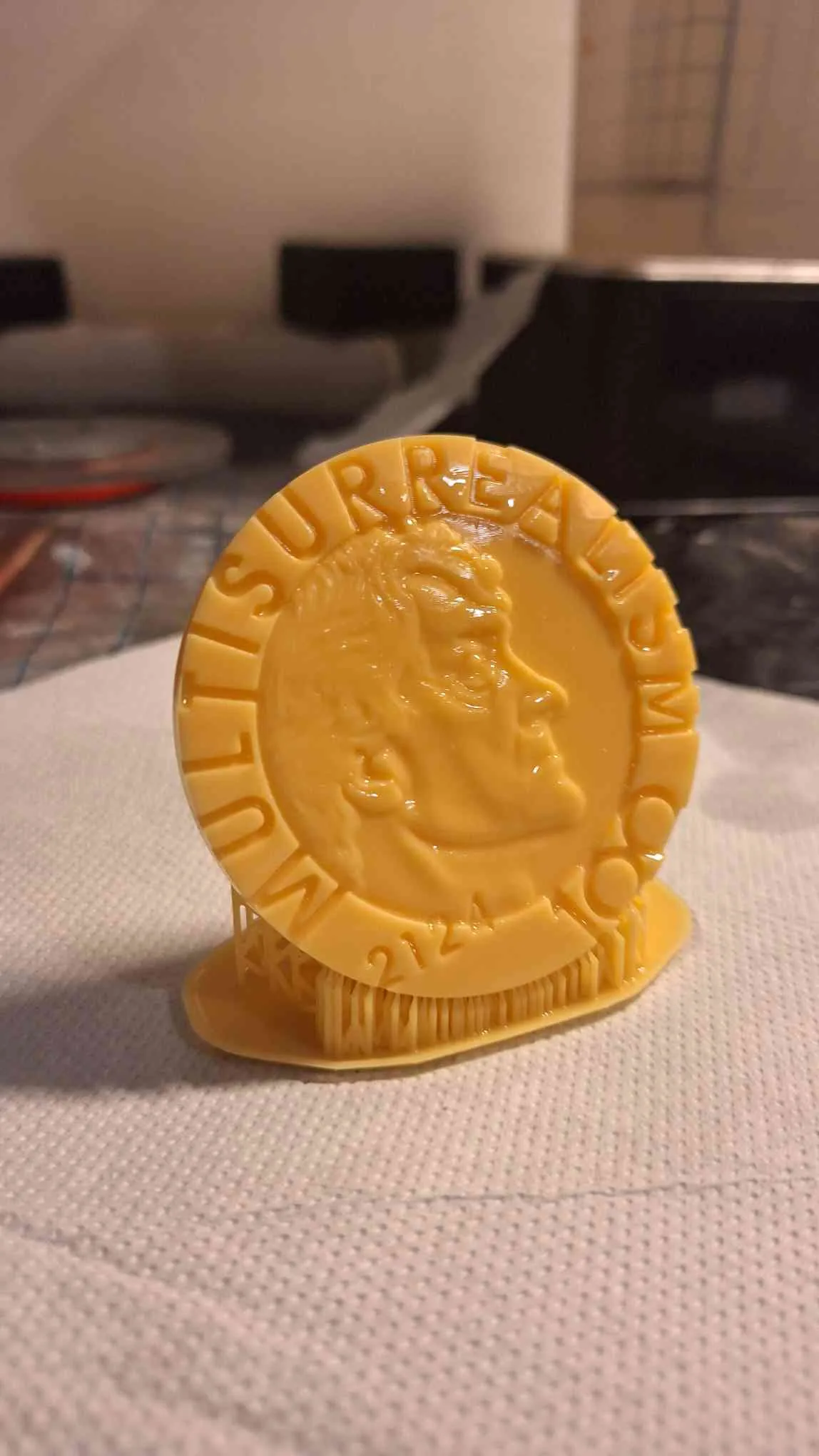
ASA is ABS engineered for outdoors. UV-stable, handles -30°C to +100°C. No yellowing in sunlight. The only choice for permanent outdoor installations.
Nylon — Industrial Toughness
Nylon is the toughest FDM material. Self-lubricating for gears and bearings. Must be dried before printing. Advanced but delivers industrial-grade results.
Carbon Fiber (PA-CF & PETG-CF)
Carbon fiber composites add exceptional stiffness. PA-CF handles 150°C, rivals aluminum. PETG-CF (from €22) is more affordable. Both need hardened nozzles.
SLA Resin — 0.025mm Precision
SLA resin cures liquid photopolymer with UV light. 25-micron layers produce injection-mold quality. Best for miniatures, jewelry masters, dental models. Brittle, requires post-processing.
Decision Guide
- Indoor display → PLA
- Functional parts → PETG
- Near heat → ABS or PA-CF
- Outdoor → ASA
- Flexible → TPU
- Mechanical → Nylon
- Fine detail → SLA Resin
- Not sure? → PETG
7 Common Mistakes
- PLA outdoors — deforms in heat, degrades in UV.
- ABS outdoors — yellows and cracks. Use ASA.
- Over-engineering — PETG handles most jobs fine.
- Ignoring heat — PLA car mount = droopy mess by summer.
- Forgetting moisture — Nylon swells in humid environments.
- SLA for mechanical parts — standard resin is brittle.
- Price-only decisions — €14 PETG lasting years beats €12 PLA replaced quarterly.
Get a free material consultation →
FDM from €12 | SLA from €31 | 3D modeling from €43/h. All prices include VAT.